
Energy
Renewable Energy Won’t Change the World
Changing the composition of the world’s energy supply is important, but it’s only half the battle against climate change.
Changing the composition of the world’s energy supply is important, but it’s only half the battle against climate change.
By combining the characteristics of small and nimble organizations with those that have successfully scaled, can we have our impact and our numbers too?
Three lessons from the field for NGOs pursuing social impact investing.

Technological innovations have the potential to transform education, but only if they encourage a more active learning environment that fosters critical thinking.
How the next administration can improve global security and advance American interests by strengthening its support for social innovation in global health and development.

Iterative design methods are essential to development work—even (or especially) in regions marked by war and violence.

Solving the problem of rural distribution in the developing world starts with following the time-honored model of local traders.
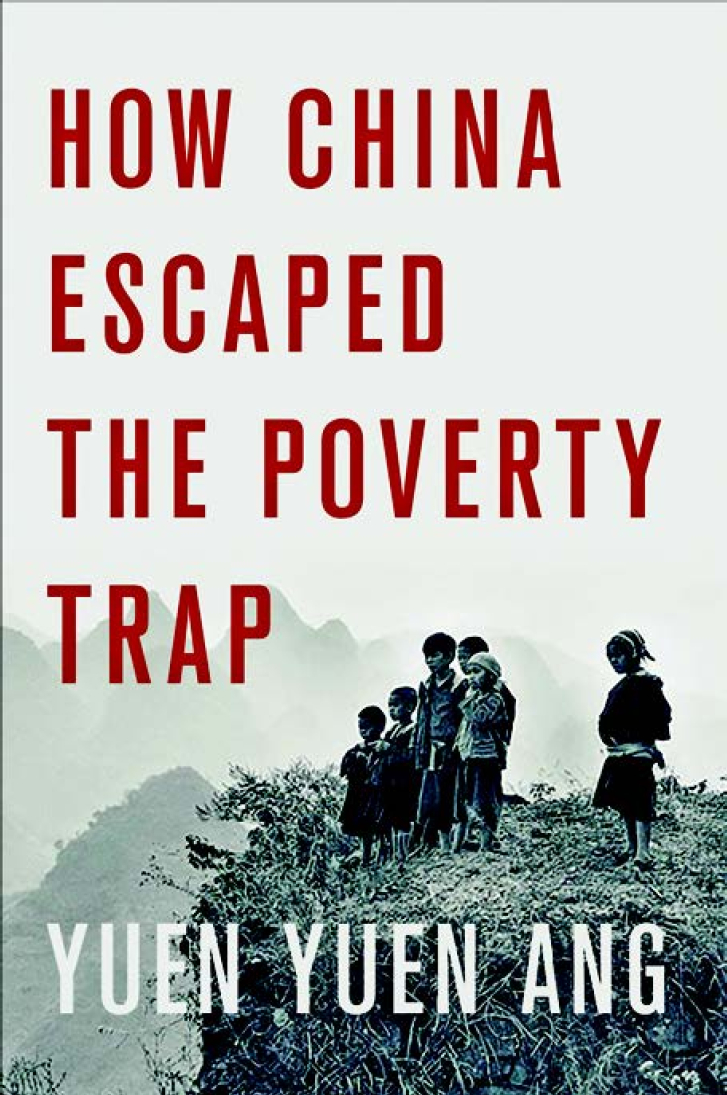
It can be tempting to overgeneralize about patterns in China’s economic development—even for scholars who acknowledge the country’s great diversity.

Why investors need to integrate rights and accountability into development finance, and how they can begin.

There’s a set of common questions every direct-service nonprofit should answer to maximize learning, action, and impact.